ServicesSiding
Siding Installation and Repair in Mebane
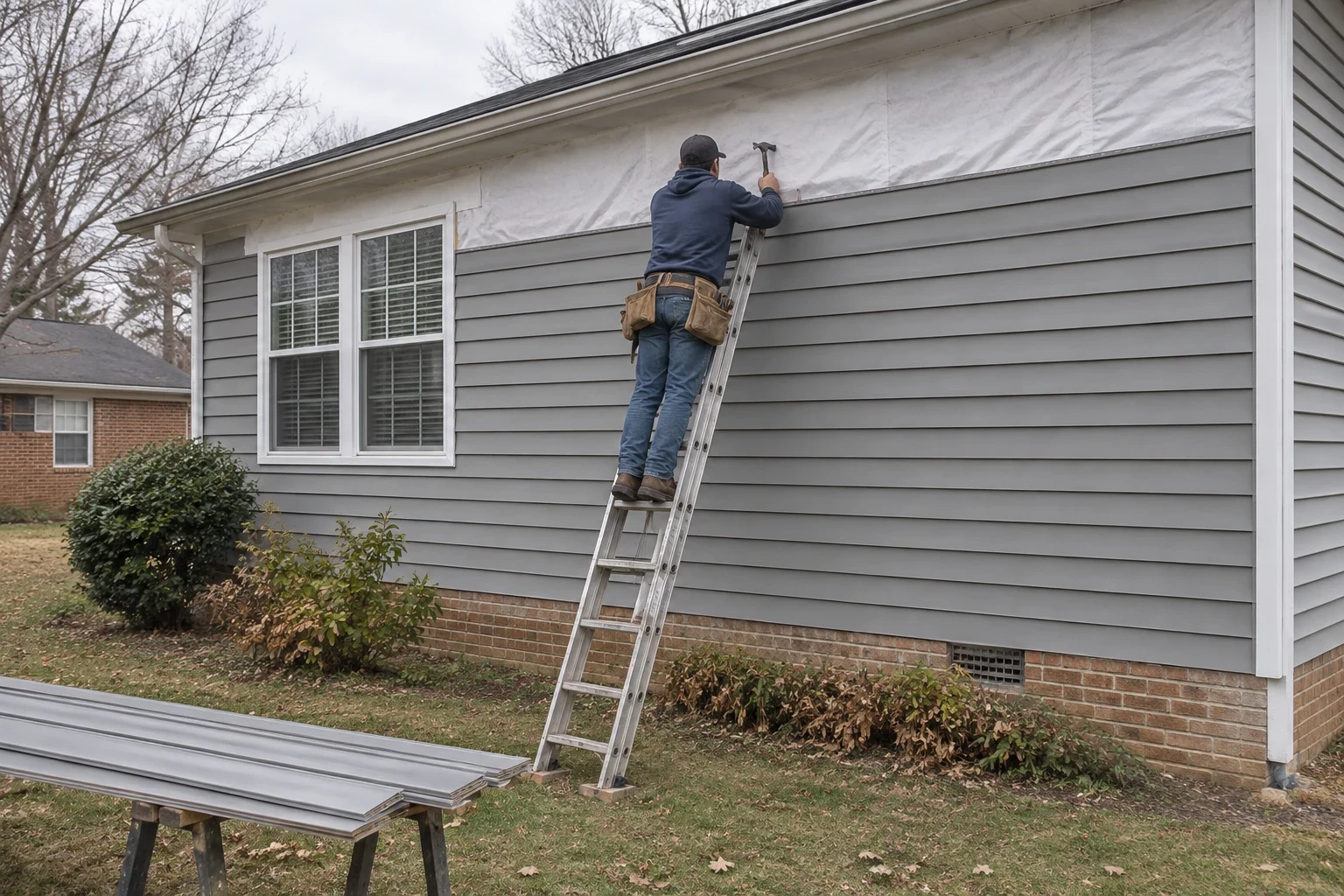
Cracked, warped or loose siding lets water reach the walls of your home. We fix damaged sections or reside the whole house in vinyl, fiber cement or engineered wood, and we compare each material on price today, upkeep later and the years of protection it should give.
Siding that earns its cost over the years
Siding is the skin of your home. When it is sound, water runs down and away from the sheathing and framing behind it. When panels warp, crack or pull loose, moisture gets in quietly and the repair grows long before anyone notices.
After 10 years in business, we treat siding the way we treat a roof: find what is actually failing, then weigh the options by their full cost over their life, not just this month's invoice. A cheaper panel that fades and cracks in a decade can end up costing more than a sturdier one you rarely think about.
We work on homes across Mebane and nearby towns such as Graham, Hillsborough and Burlington, and every job starts with a free walk around your walls.
What our siding work includes
- Panel and section repair
- When damage is limited to one wall or a few courses, we replace just those pieces and tie them in cleanly. If a wall is close to the end of its life, we say so, because patching it may only delay a bigger bill.
- Full siding replacement
- We remove the old siding down to the sheathing so we can see what is underneath. Then we install new material with proper fastening, spacing and expansion gaps so it lies flat through hot summers and cold snaps.
- Sheathing and moisture checks
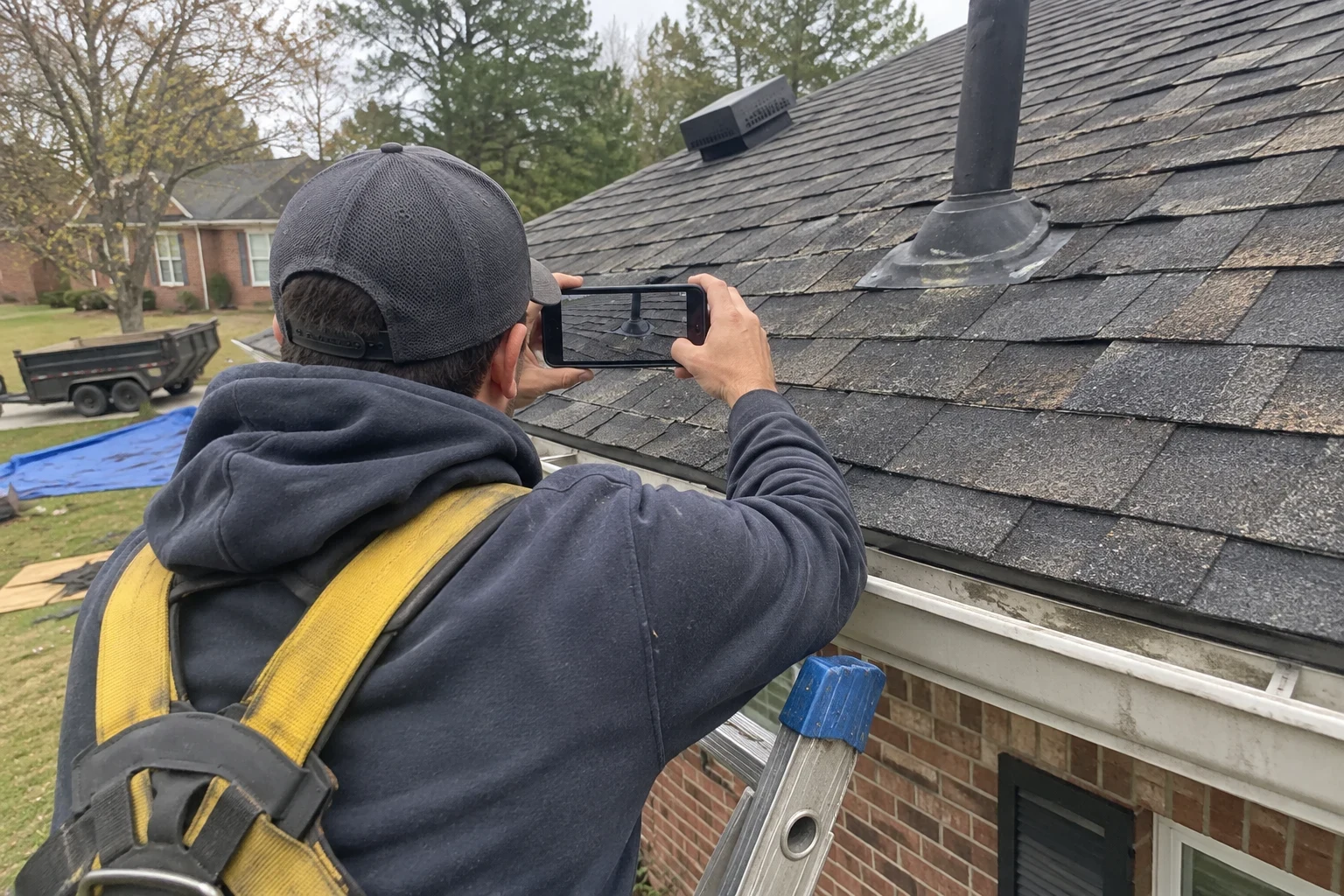
- Soft or stained sheathing gets probed and photographed. Rotted sections are replaced before anything new goes over them, because covering rot only hides it.
- House wrap and flashing
- A weather-resistive barrier goes on behind the siding, with flashing at existing windows, doors, roof-to-wall joints and penetrations. This layer does much of the real waterproofing work.
- Trim, corners and soffit details
- We finish corners, J-channel, fascia wraps and soffit so the edges look crisp and shed water. Small details like these decide how a wall looks five years from now.
Signs your siding needs attention
Warped or buckled panels
Vinyl that waves or bulges was often nailed too tight or has been heated past its limit. It lets wind-driven rain slip behind it.
Soft spots near the bottom
Press gently on lower courses and around doors. Give or a spongy feel usually means moisture has reached the sheathing.
Cracks, holes or hail dents
Hail, mower debris and cold-weather impacts crack brittle panels. Even small openings let water and insects in.
Mildew that keeps coming back
Green or black growth on shaded walls is common in humid Piedmont summers, but if it returns quickly after cleaning, water may be held behind the siding.
Loose or missing pieces after wind
Panels that unlock or blow off point to worn fastening or failing locking edges. Once one goes, the neighbors tend to follow.
Drafts and rising energy bills
Gaps around siding and trim let air move through the walls. New siding over a proper wrap often makes rooms feel steadier.
How a siding project runs
- 1
Free inspection and photo report
We walk every wall, check trim and flashing, and probe suspect areas. You receive a photo report of what we found, including the spots you cannot see from the ground.
- 2
Options compared side by side
We lay out repair and replacement choices with the up-front cost, expected upkeep and likely lifespan of each material. You get a written, line-item estimate, and financing is available through Acorn Finance if spreading the cost helps.
- 3
Prep and protection
Before tear-off we cover plants, AC units and walkways near the walls. Old siding comes off in sections so your home is never left open longer than needed.
- 4
Installation and detail work
Damaged sheathing is replaced, the wrap and flashing go on, and new siding is installed and trimmed out. We check alignment and fastening as each wall is finished.
- 5
Cleanup and walkthrough
We run magnets for nails, haul away debris and walk the house with you. Anything you want adjusted gets handled before we leave.
What moves the cost of siding
The price of siding comes down to your own walls, not a flat number per square foot. We measure every elevation ourselves and adjust for whatever we find once the old panels come off. Labor, materials, repairs and disposal are each listed separately, so you can see where every part of the total comes from before work begins.
- Which siding you pick
- Standard vinyl is the least expensive to put up. Insulated vinyl, fiber cement and engineered wood ask more at the start, yet they stand up to impact and sun far better, so across twenty or thirty years they frequently come out ahead.
- Wall area and height
- Total square footage sets the base. Two-story walls and steep gables need more staging and time.
- What we find behind the old siding
- Soft sheathing or rotted framing must be rebuilt before anything new is fastened over it. Every area we call out is photographed, so you can check the reason for that line yourself.
- Trim and architectural detail
- Many corners, bump-outs, dormers and openings add cutting and flashing work compared with long, plain walls.
- Layers to tear off
- On some houses, newer siding was hung right over an older layer. Stripping two layers instead of one means more labor and more to haul away.
Siding questions we hear often
Something not covered here? (919) 443-6193
Can you replace a few damaged panels instead of the whole wall?
Often, yes. If the rest of the siding is sound and a matching or close profile is available, a section repair is the sensible choice. Older vinyl may have faded, so we show you how a new piece will compare before we install it.
Which material gives the best value over time?
It depends on how long you plan to stay and how much upkeep you want. Vinyl is the lowest up-front cost but can crack and fade sooner. Fiber cement and engineered wood cost more to install, hold up better to hail and impact, and keep a solid look for longer. We compare all of them for your walls during the inspection.
Will insurance cover hail or wind damage to my siding?
Storm damage to siding is often part of a homeowner claim, but coverage depends on your policy. We document the damage with photos, can meet with your adjuster, and help you through the claim process. The coverage decision itself belongs to your insurance company.
How long does a siding replacement take?
Most single-family homes take a few working days once materials arrive, longer if we find rot that needs repair or if weather pauses work. Your estimate includes a projected start and finish, and if rain or hidden damage shifts those dates, we call you with the new plan before the day changes.
Should I do siding and gutters at the same time?
It can be efficient, since gutters and fascia sit right where new siding and trim meet the roof line. If your gutters are also tired, we can look at them during the same visit and price them separately on our Gutters estimate.
See what your siding is really doing
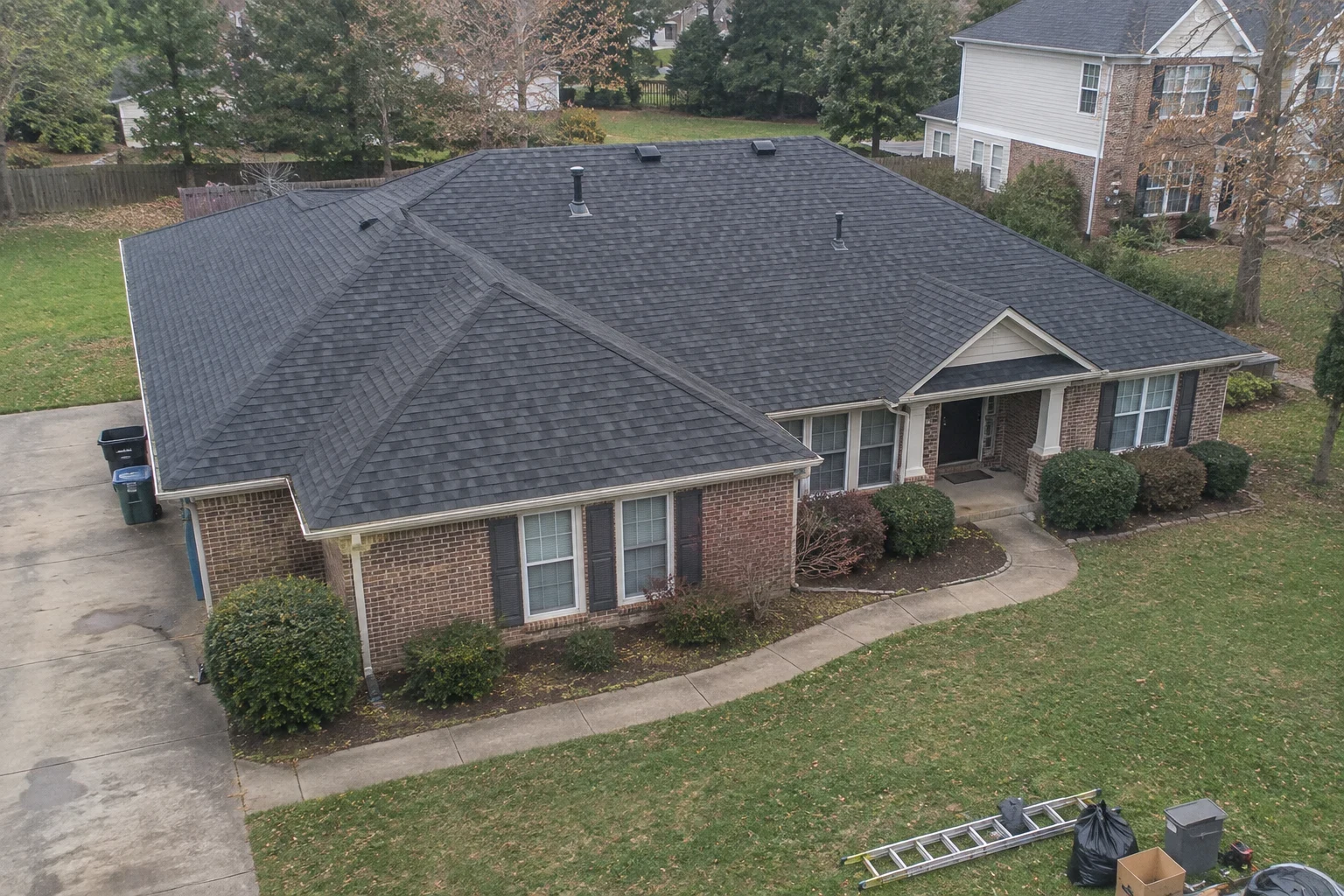
We will walk your walls, check what is behind the worst spots and send you a photo report with clear options. The inspection is free.